
· by Michael Blair, Nashville's Kitchen & Bath
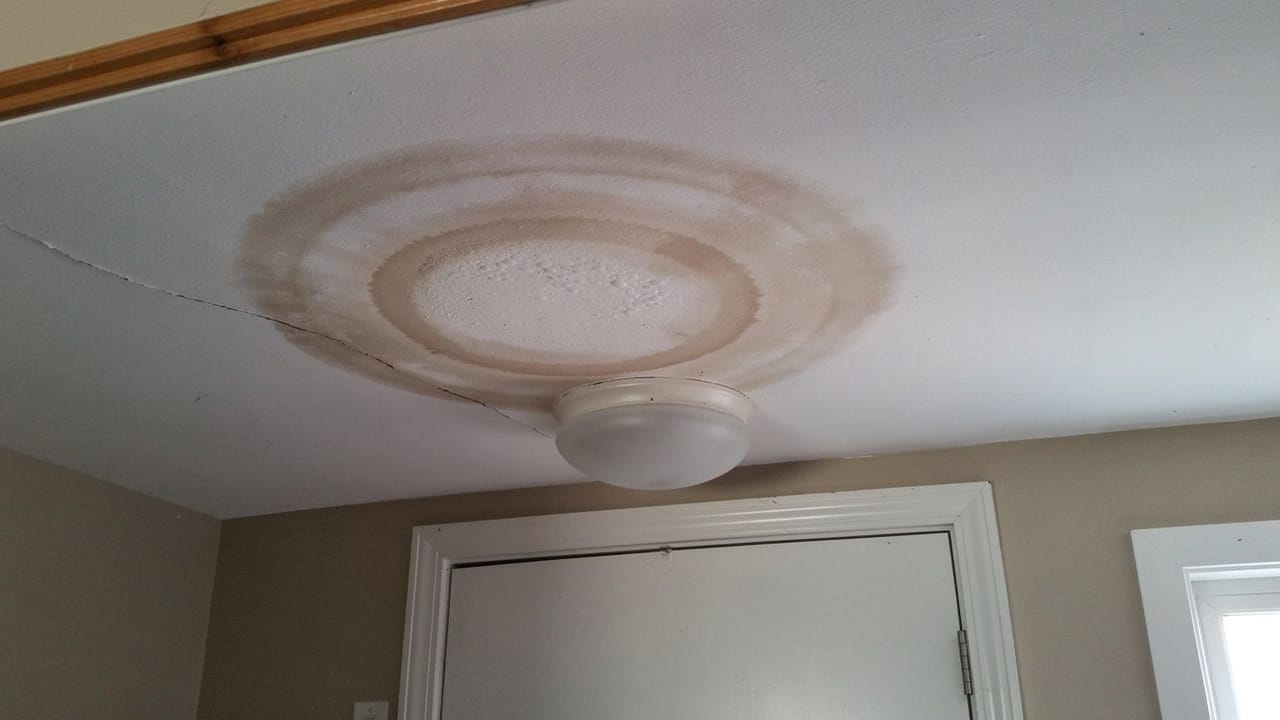
It usually shows up as a brown ring on the ceiling of the room below, or a floor that gives a little beside the shower door. The first phone call is often to the insurance agent, on the reasonable assumption that water damage is what the policy is for. Sometimes it is. With a shower, though, the way the water escaped matters more than the damage it did, and a failed pan or a cracked grout line can easily fall on the wrong side of the policy language. Knowing where that line sits before you call saves a lot of frustration, and it shapes what happens when we take the shower apart for a tile shower rebuild.
What kind of water damage does a homeowners policy cover?
A standard homeowners policy is written around water that gets out all at once. The Texas Department of Insurance’s consumer guide to homeowners insurance lists “sudden and accidental release of water” among the damages most policies cover, which is the supply line that splits or the washing machine hose that lets go, and it puts “a continuous water leak” on the list most policies don’t cover. That guide comes from a Texas regulator rather than a Tennessee one, and it says plainly to read your policy or talk to your agent to be sure of your exact coverages. Your own exclusions section decides it, not a general rule.
A leaking shower is slow by nature. Water gets past tired grout, soaks the mortar bed, finds a tear or a failed corner in the liner, and wicks into the subfloor every time someone showers. By the time it reaches a ceiling or softens a floor, it has been happening shower after shower, not once. The damage is real, but in the policy’s terms it is the kind that builds up rather than the kind that happens.
How can an adjuster tell how long a leak ran?
An adjuster will want to know how long the water has been getting out, and old water tends to leave signs. When we open a floor under a leaking shower, these are what we read for age: several nested stain rings on the ceiling, subfloor that has turned dark and crumbly, rusted nail heads, and framing that has checked and softened. Mold on the back of the drywall is one of the clearer ones. The EPA’s guide to mold, moisture and your home says that when wet materials are dried within 24 to 48 hours of a leak, in most cases mold will not grow, so mold growing there means that spot stayed wet a good deal longer.
The source matters as much as the age. A supply line that fails behind the valve is plumbing that broke, and how it is treated depends on how fast it was caught and how your policy is worded. A shower pan that stopped holding water is a worn-out assembly, and the same Texas guide lists wear and tear among the things most policies don’t cover; whether a failed pan counts as wear is the insurer’s call, and you should expect it to be argued that way. That is why it pays to find out exactly where the water came from before anyone opens a claim.
Where a claim can still pay
Denied is not always the whole story. The TDI guide notes that policies won’t pay for mold removal except to repair damage caused by a covered risk, so mold that follows a sudden, covered leak is treated differently from mold that grew under a slow one. It also lists mold removal and the extra cost of repairs to meet local building codes among the endorsements many companies sell as add-ons. Whether your policy pays to open a wall or floor to reach a leak is another question to put to your agent, because policies handle it differently. The policy itself and any endorsements attached to it are where you find out what you bought.
In practice the outcomes tend to sort something like this, with your own policy language always outranking a rule of thumb.
- Split supply line or cracked valve, caught fast: the sudden kind of release most policies are written for
- Drain line that separated under the floor: turns on whether it let go at once or ran for a long time
- Failed shower pan or liner: the slow, continuous kind of leak most policies leave out
- Grout and caulk that stopped sealing: likely to be treated as wear and tear
- The new shower itself: plan on paying for the rebuild yourself
Before you call, and after
Stop using the shower, photograph the ceiling, the floor and the shower itself, and if you think a supply line is involved, shut the water off. The TDI guide tells homeowners to take pictures of the damage before making any repairs and to make only temporary repairs to protect the house, since permanent repairs made before the insurer sees the damage can get a claim denied. Every shower taken in the meantime puts more water into the subfloor, and the EPA’s advice is to fix plumbing leaks and other water problems as soon as possible.
It is also worth knowing how a phone call is recorded. According to the Tennessee Department of Commerce and Insurance’s page on CLUE reports, insurers report claims they pay, claims they set up a file for and claims they formally deny, and those reports generally carry up to seven years of property claims for both the owner and the address. A call simply to ask about coverage or your deductible is not supposed to be reported, and Tennessee law bars an insurer from raising your premium or canceling your policy solely because you asked. The same department’s Homeowners Insurance 101 page says your previous claim history has a big impact on your premiums, so a question to your agent costs you nothing and a denied claim can still sit on the record.
Whatever the insurer decides, we rebuild a failed shower rather than patch it, because new tile over a liner that has already let water through leaves the leak where it was. When we open a failed shower, the rebuild is a new sloped pan and a bonded waterproof membrane up the walls, tested with standing water before any tile goes down, and any rotten subfloor or joist gets replaced while it is open. If you are weighing what goes back in, our post on tile or acrylic for a Nashville shower covers that choice. The rebuild is the part to budget for yourself, and it is the part that stops the next stain, so if there is a ring on your ceiling now, ask us to come find where the water is getting out.
Sources
- Texas Department of Insurance, A Consumer’s Guide to Homeowners Insurance — Sudden and accidental release of water covered; continuous water leak, wear and tear and most mold removal not covered; mold removal and code-upgrade endorsements; photograph damage, temporary repairs only, permanent repairs can lead to denial; read your policy or ask your agent
- U.S. EPA, A Brief Guide to Mold, Moisture, and Your Home — Materials dried within 24 to 48 hours of a leak in most cases will not grow mold; fix plumbing leaks as soon as possible
- Tennessee Department of Commerce and Insurance, C.L.U.E. (Comprehensive Loss Underwriting Exchange) — Paid, opened and denied claims are reported; up to seven years of property claims; history by person and by property; simple questions not reported; Tennessee law on inquiries
- Tennessee Department of Commerce and Insurance, Homeowners Insurance 101 — Previous claim history has a big impact on premiums
FAQ
Will Insurance Pay for a Leaking Shower — questions
Does homeowners insurance cover a leaking shower pan?
Often not. A pan usually fails gradually, and most policies don’t cover a continuous water leak or wear and tear. Some policies, or endorsements added to them, may still pay toward part of the resulting damage, such as mold repair that follows a covered loss, so read your own exclusions and endorsements.
How do I know whether the leak is the pan or the plumbing?
Test them one at a time. We check the supply lines under pressure, run water straight into the drain, and then plug the drain and let water stand on the shower floor to see whether the level drops or the ceiling below darkens.
Should I remove the damaged drywall before the adjuster comes?
Stop the water and protect the house, but hold off on demolition until you have spoken to the insurer if you plan to claim. The adjuster will want to see the damage, and permanent repairs made before then can give the insurer a reason to deny the claim.
When should I call insurance for water damage?
Call once the water is shut off and the damage is photographed, and before any permanent repair, since work done before the insurer sees it can get a claim denied. In Tennessee a call that only asks about coverage or your deductible isn’t supposed to be reported, and an insurer can’t raise your premium solely for asking.